
Introduction
In an era where urban living is becoming increasingly compact, the demand for efficient, functional, and stylish kitchens is on the rise. Lida Group, a leader in innovative housing solutions, has taken the concept of modular kitchens to new heights through their container-based designs. This article delves into the functionality, benefits, challenges, and future potential of modular kitchens offered by Lida Group, exploring how these solutions are reshaping the culinary landscape in urban environments.
Understanding Modular Kitchens
What Are Modular Kitchens?
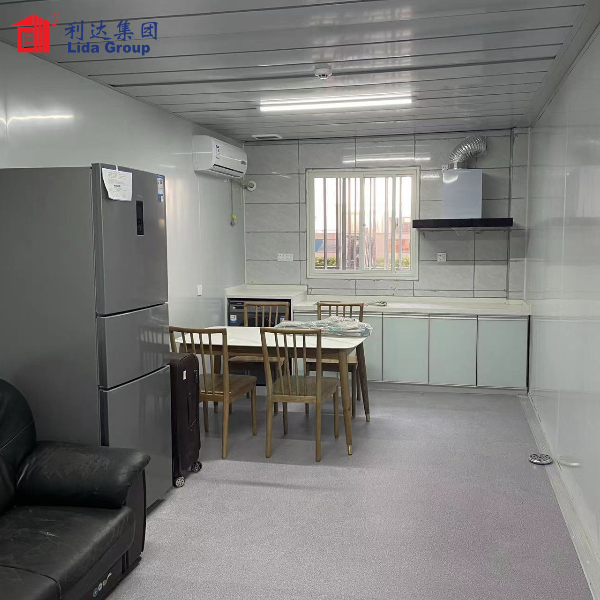
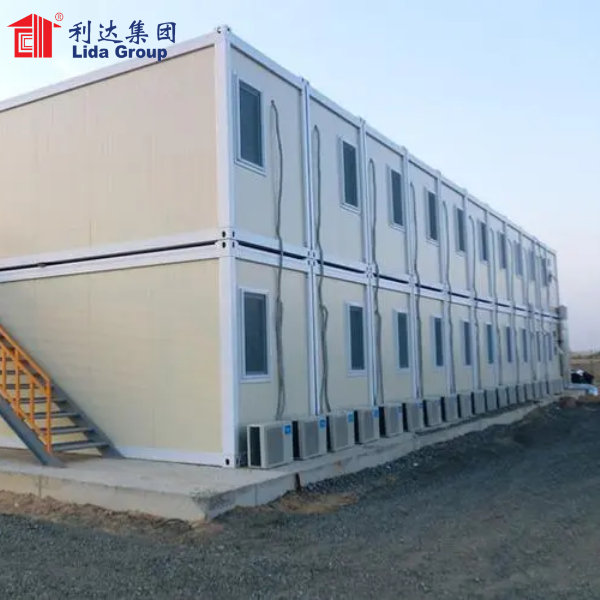
Modular kitchens are pre-fabricated kitchen units that can be assembled quickly and efficiently. These kitchens are designed using standardized components that can be easily customized to fit various spaces and styles. Lida Group has taken this concept further by utilizing shipping containers as the basis for their modular kitchen solutions, offering a unique blend of durability, versatility, and modern design.
The Design Philosophy
Lida Group’s design philosophy revolves around creating spaces that are not only functional but also aesthetically pleasing. Their modular kitchens emphasize:
a. Space Efficiency
In urban settings where square footage is at a premium, Lida Group’s modular kitchens are designed to maximize every inch of available space. Clever storage solutions, multi-functional furniture, and open layouts ensure that even the smallest kitchens can feel spacious and inviting.
b. Customization
Every kitchen is unique, and Lida Group understands that. Their modular kitchens can be tailored to meet individual needs and preferences, allowing customers to choose everything from layout and materials to appliances and finishes.
c. Sustainability
Sustainability is a core value for Lida Group. By repurposing shipping containers, they reduce waste and promote the use of eco-friendly materials. Additionally, their kitchens can be equipped with energy-efficient appliances and fixtures, contributing to a more sustainable lifestyle.
The Benefits of Modular Kitchens
1. Quick Installation
One of the key advantages of modular kitchens is the speed of installation.
a. Time Efficiency
Since the components are pre-fabricated, the assembly process is significantly faster compared to traditional kitchen construction. This is particularly beneficial for urban developments where time is of the essence.
b. Minimal Disruption
The quick installation process minimizes disruption to the surrounding environment, making it an ideal solution for renovations in busy urban areas.
2. Cost-Effectiveness
Modular kitchens also offer financial benefits.
a. Lower Labor Costs
The simplified assembly process reduces labor costs, as less time and fewer workers are needed to install the kitchen.
b. Reduced Material Waste
By utilizing standardized components, Lida Group minimizes material waste, which can lead to overall cost savings.
3. Versatility and Mobility
The versatility of modular kitchens makes them suitable for a variety of applications.
a. Diverse Settings
Lida Group’s modular kitchens can be used in residential homes, restaurants, food trucks, and temporary housing. Their adaptability allows them to fit into any environment.
b. Relocation Capabilities
If circumstances change, modular kitchens can be disassembled and relocated to a new site, providing flexibility for users.
4. Enhanced Functionality
Functionality is at the heart of Lida Group’s modular kitchen designs.
a. Smart Storage Solutions
Innovative storage options, such as pull-out cabinets and hidden compartments, maximize space and keep kitchens organized.
b. Multi-Functional Elements
Many modular kitchens include multi-functional furniture, such as foldable tables or convertible countertops, which enhance usability.
Challenges in Implementing Modular Kitchens
1. Initial Perception
Despite their many benefits, modular kitchens often face initial skepticism.
a. Misconceptions About Quality
Some consumers may perceive modular kitchens as inferior to traditional kitchens. Educating potential customers about the quality and durability of Lida Group’s products is essential.
b. Aesthetic Concerns
There may also be concerns about the aesthetic appeal of container-based kitchens. Lida Group addresses this by offering a variety of design options and finishes to suit different tastes.
2. Regulatory Hurdles
Navigating the regulatory landscape can be a challenge.
a. Building Codes
Modular kitchens must comply with local building codes and regulations. Lida Group works closely with local authorities to ensure all installations meet necessary standards.
b. Zoning Restrictions
In some areas, zoning laws may restrict the use of shipping containers for residential purposes, posing a challenge for implementing modular kitchens.
Case Studies: Successful Implementations
1. Urban Housing Developments
Lida Group has successfully integrated modular kitchens into urban housing projects, providing residents with efficient and stylish culinary spaces.
- Implementation: In a recent housing development, Lida Group installed modular kitchens in all units, enhancing the functionality of small apartments.
- Outcome: Residents reported high satisfaction levels, highlighting the kitchens’ space-saving designs and modern features.
2. Restaurants and Cafes
In the food service industry, Lida Group’s modular kitchens have proven to be a game-changer.
- Implementation: Several restaurants have adopted container-based kitchens for their operations, allowing for quick setup in urban environments.
- Outcome: Owners praised the efficiency and adaptability of the modular kitchens, which enabled them to serve customers quickly and effectively.
3. Temporary Housing Solutions
In response to housing shortages, Lida Group has implemented modular kitchens in temporary housing solutions.
- Implementation: During a housing crisis, Lida Group provided modular kitchens for temporary housing units, ensuring residents had access to essential cooking facilities.
- Outcome: The initiative provided a rapid response to the crisis, allowing families to cook healthy meals in a comfortable environment.
The Future of Modular Kitchens
1. Technological Integration
As technology advances, Lida Group plans to incorporate smart technologies into their modular kitchens.
a. Smart Appliances
The integration of smart appliances, such as refrigerators and ovens that can be controlled remotely, will enhance the functionality and convenience of modular kitchens.
b. Energy Management Systems
Implementing energy management systems can help users monitor and optimize their energy consumption, promoting sustainability.
2. Expanding Market Reach
Lida Group is exploring opportunities to expand their modular kitchen solutions into new markets.
a. International Markets
As the demand for efficient housing solutions grows globally, Lida Group aims to introduce their modular kitchens to international markets, particularly in regions facing housing shortages.
b. Diverse Applications
Beyond residential use, Lida Group is looking to expand into commercial sectors, offering modular kitchen solutions for food trucks, catering services, and more.
3. Community Engagement
Engaging with communities is crucial for the successful implementation of modular kitchens.
a. Educational Initiatives
Lida Group can host workshops and seminars to educate potential customers about the benefits of modular kitchens, helping to dispel myths and promote acceptance.
b. Collaborative Design
Involving community members in the design process can lead to kitchens that better meet local needs and preferences, fostering a sense of ownership and satisfaction.
Conclusion
Lida Group’s modular kitchens represent a transformative approach to modern culinary spaces, combining functionality, efficiency, and sustainability. As urban living continues to evolve, the need for innovative kitchen solutions is more pressing than ever.
By providing quick installation, cost-effectiveness, and versatile designs, Lida Group is setting a new standard for kitchens in urban environments. Through continued innovation and community engagement, the future of modular kitchens looks bright, offering exciting possibilities for homeowners, businesses, and communities alike. As we move forward, the impact of Lida Group’s container solutions will undoubtedly shape the way we think about kitchens and living spaces in the years to come.
Contact Us
Post time: Sep-20-2024