
Introduction
As the construction industry evolves, the demand for innovative building technologies has never been higher. Steel structures have emerged as a significant solution, offering strength, durability, and versatility in various applications. Among the companies at the forefront of this evolution is Lida Group, a leader in steel structure building technology. This article explores Lida Group‘s contributions to the industry, the benefits of steel structures, their applications, and the future of construction technology.
The Evolution of Steel Structures
A Brief History
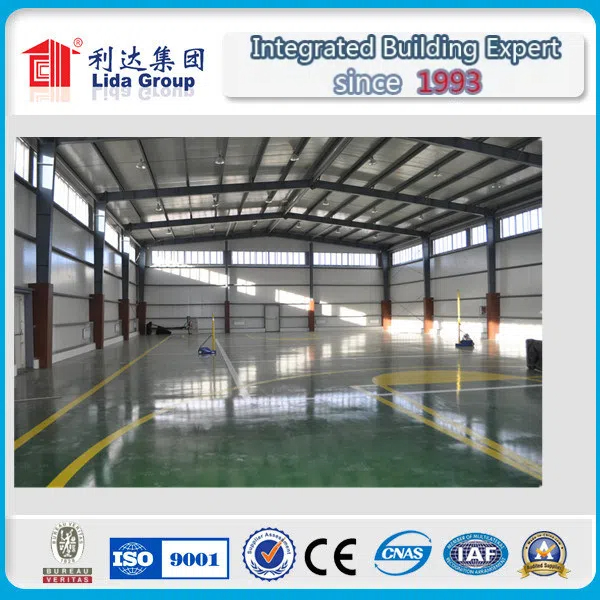
Steel has been a fundamental material in construction since the late 19th century. Its introduction revolutionized building practices, allowing for taller and stronger structures. The use of steel beams and frames enabled architects to design buildings with larger spans and more open spaces.
The Rise of Steel Structures
In recent decades, the construction industry has increasingly embraced steel structures due to their numerous advantages. The ability to prefabricate components off-site and assemble them on-site has led to faster construction times and reduced waste. As sustainability becomes a priority in construction, steel’s recyclability and longevity further enhance its appeal.
Lida Group: An Overview
Company Background
Founded in [Year], Lida Group has established itself as a prominent player in the steel structure market. With a commitment to quality, innovation, and sustainability, Lida Group has successfully completed numerous projects worldwide, ranging from industrial buildings to commercial spaces.
Vision and Mission
Lida Group’s mission is to provide advanced steel structure solutions that meet the evolving needs of the construction industry. The company aims to lead the way in technology, quality, and sustainability, ensuring that their structures are not only strong and durable but also environmentally friendly.
Advantages of Steel Structures
1. Strength and Durability
Steel is renowned for its high strength-to-weight ratio, making it an ideal choice for construction. Steel structures can withstand heavy loads and extreme weather conditions, ensuring longevity and resilience. This durability reduces the need for frequent repairs and replacements, ultimately lowering lifecycle costs.
2. Design Flexibility
Steel’s versatility allows for a wide range of architectural designs. It can be molded into various shapes and sizes, accommodating the creative visions of architects and designers. This flexibility is particularly beneficial in commercial and industrial applications where unique designs are often required.
3. Speed of Construction
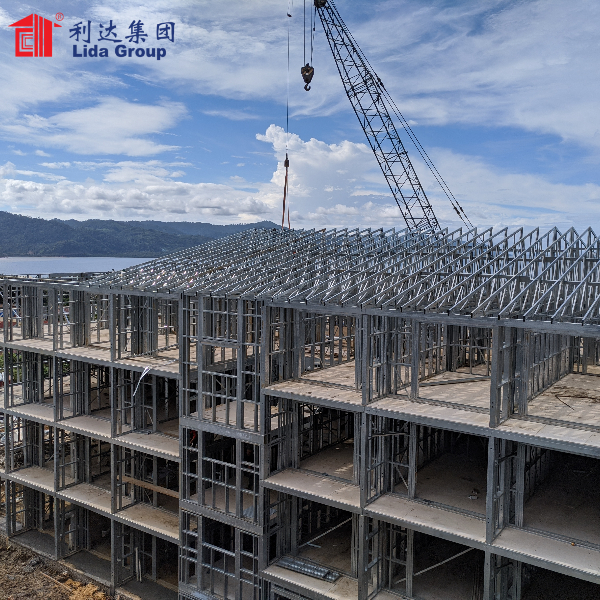
One of the most significant advantages of steel structures is the speed of construction. Prefabricated steel components can be manufactured off-site and quickly assembled on-site, reducing construction time significantly. This efficiency is crucial for projects that require rapid completion, such as warehouses and factories.
4. Sustainability
Steel is one of the most recyclable materials available, with a recycling rate of over 90%. This sustainability aspect makes it an attractive option for eco-conscious builders. Additionally, steel structures often incorporate energy-efficient designs, further reducing their environmental impact.
5. Cost-Effectiveness
While the initial cost of steel may be higher than some traditional materials, the long-term savings often outweigh the initial investment. The durability, low maintenance requirements, and speed of construction contribute to overall cost-effectiveness.
Lida Group’s Innovations in Steel Structure Technology
Cutting-Edge Manufacturing Processes
Lida Group employs state-of-the-art manufacturing processes to produce high-quality steel components. Advanced technologies, such as automated cutting and welding, ensure precision and consistency in every piece produced. This commitment to quality is reflected in the performance and longevity of their structures.
Prefabrication Techniques
Lida Group’s use of prefabrication techniques minimizes on-site construction time and reduces waste. Components are manufactured in controlled environments, allowing for better quality control and faster assembly. This approach not only enhances efficiency but also improves site safety by reducing the amount of work performed at heights.
Advanced Design Software
To remain competitive, Lida Group utilizes advanced design software that enables detailed modeling and simulations. This technology allows architects and engineers to visualize projects before construction begins, ensuring that designs meet all specifications and requirements.
Sustainability Initiatives
Lida Group is committed to sustainability in all aspects of its operations. The company actively seeks to reduce its carbon footprint through energy-efficient manufacturing processes and sustainable sourcing of materials. Additionally, Lida Group offers designs that incorporate renewable energy solutions, such as solar panels, to further enhance the sustainability of their structures.
Applications of Steel Structures
1. Industrial Buildings
Steel structures are widely used in industrial applications, including factories, warehouses, and distribution centers. Their strength and durability make them ideal for environments that require robust solutions to support heavy machinery and equipment.
2. Commercial Spaces
In commercial construction, steel structures provide the flexibility needed for unique designs. Retail spaces, office buildings, and shopping centers benefit from the aesthetic appeal and structural integrity of steel framing.
3. Infrastructure Projects
Steel plays a crucial role in infrastructure projects such as bridges, airports, and stadiums. The material’s ability to withstand significant loads and harsh environmental conditions makes it a preferred choice for these applications.
4. Residential Construction
While less common, steel structures are gaining traction in residential construction. Steel-framed homes offer durability and design flexibility, appealing to homeowners looking for modern, sustainable living solutions.
The Future of Steel Structures in Construction
1. Technological Advancements
As technology continues to advance, the construction industry will see further innovations in steel structure design and manufacturing. Automation, robotics, and artificial intelligence are expected to play significant roles in streamlining construction processes and enhancing safety.
2. Increased Focus on Sustainability
Sustainability will remain a driving force in the construction industry. Steel manufacturers, including Lida Group, will continue to explore ways to reduce emissions during production and improve the lifecycle sustainability of steel structures.
3. Integration of Smart Technologies
The integration of smart technologies into steel structures will enhance building performance and efficiency. Features such as smart sensors and automated systems will allow for real-time monitoring and optimization of energy use, improving overall sustainability.
4. Global Expansion
As urbanization continues to rise worldwide, the demand for steel structures will increase. Lida Group is poised for global expansion, targeting emerging markets where infrastructure development is critical.
Case Studies: Lida Group’s Impact
1. Logistics and Distribution Centers
Lida Group has successfully completed numerous logistics and distribution centers, utilizing steel structures to create efficient and spacious environments. These projects often incorporate advanced technology and sustainable design elements, showcasing Lida Group’s commitment to innovation.
2. Manufacturing Facilities
In the manufacturing sector, Lida Group has delivered steel structures that support heavy machinery and high-volume production. These facilities are designed for optimal workflow and energy efficiency, contributing to the overall success of the businesses they house.
3. Commercial Developments
Lida Group’s steel structures have transformed various commercial developments, providing aesthetically pleasing and functional spaces. Collaborating with architects and designers, Lida Group has created unique buildings that stand out in urban landscapes.
Challenges in Steel Structure Construction
1. Cost Fluctuations
The price of steel can be volatile, influenced by global market trends and supply chain disruptions. This unpredictability can impact project budgets and timelines, requiring careful planning and management.
2. Skilled Labor Shortage
The construction industry faces a shortage of skilled labor, affecting the availability of qualified workers to construct steel structures. Companies like Lida Group are investing in training programs to develop the next generation of skilled workers.
3. Regulatory Compliance
Navigating building codes and regulations can be complex, particularly in different regions. Lida Group must stay informed about local regulations to ensure compliance and avoid delays in project approvals.
4. Environmental Concerns
While steel is recyclable, the environmental impact of steel production remains a concern. Lida Group is actively working to address these issues through sustainable practices and innovative technologies.
Conclusion
Lida Group stands at the forefront of steel structure building technology, leading the way with innovative solutions that address the demands of modern construction. With a commitment to quality, sustainability, and technological advancement, Lida Group is poised to shape the future of the industry. As the world continues to prioritize sustainable practices, steel structures will play a vital role in meeting these goals, offering strength, durability, and design flexibility. The journey of Lida Group is not just about constructing buildings; it’s about building a sustainable future for generations to come.
Contact Us
Post time: Dec-04-2024